
Technical SEO in Practice:
The MiniPeak Swim PWA
MiniPeak Swim is a swim development app I built from a real problem: making a young swimmer’s progress easy to track and understand. This case study shows how product thinking, user experience, and technical SEO came together in one working PWA.
Expo Router
PWA
Firebase
Core Web Vitals
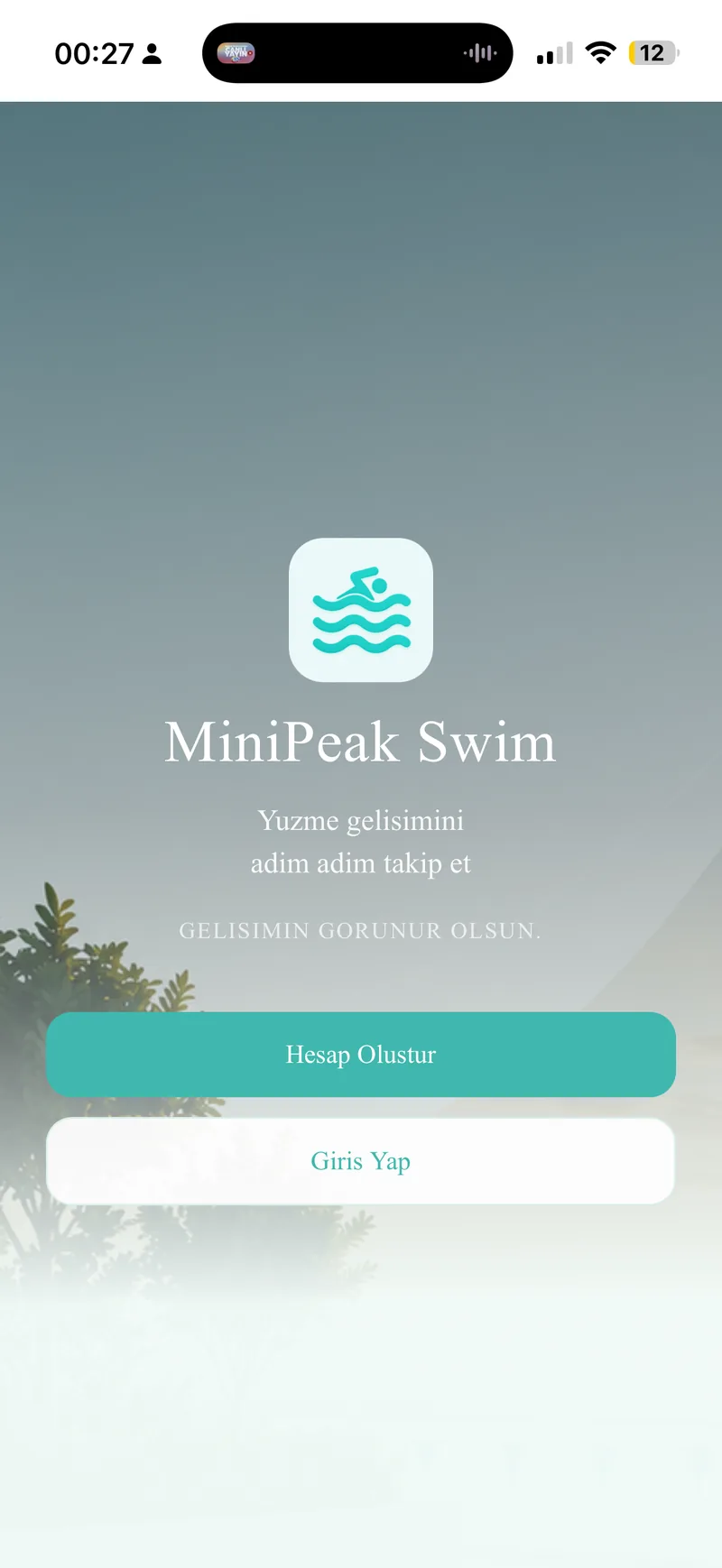
MiniPeak Swim did not start as a commercial software idea.
It started with a problem I faced while following my child’s swimming development. Attendance, swimming times, land workouts, and progress notes were spread across different places. The data existed, but the full picture was hard to see.
I wanted something clearer: a single place where swimmers, parents, and coaches could follow development together.
This page is the technical companion to my digital marketing portfolio.
Where SEO Meets the Stack
MiniPeak Swim connects two sides of my work: digital visibility and practical implementation. I built it as a progressive web app because it had to be mobile-first, fast, and shareable without depending only on app stores.
The SEO side
A PWA lives on the open web, so performance, crawlability, structure, and user experience all matter. The same principles I use in technical SEO audits shaped this project.
The engineering side
One codebase serves every device. React Native, Expo Router, Firebase, and web-safe build decisions made a working app with real-time data and role-based access.
Product Screens That Support the Story
These screens show the core idea behind MiniPeak Swim: making progress visible. The app is not only about recording results. It helps young swimmers see consistency, effort, and development over time.
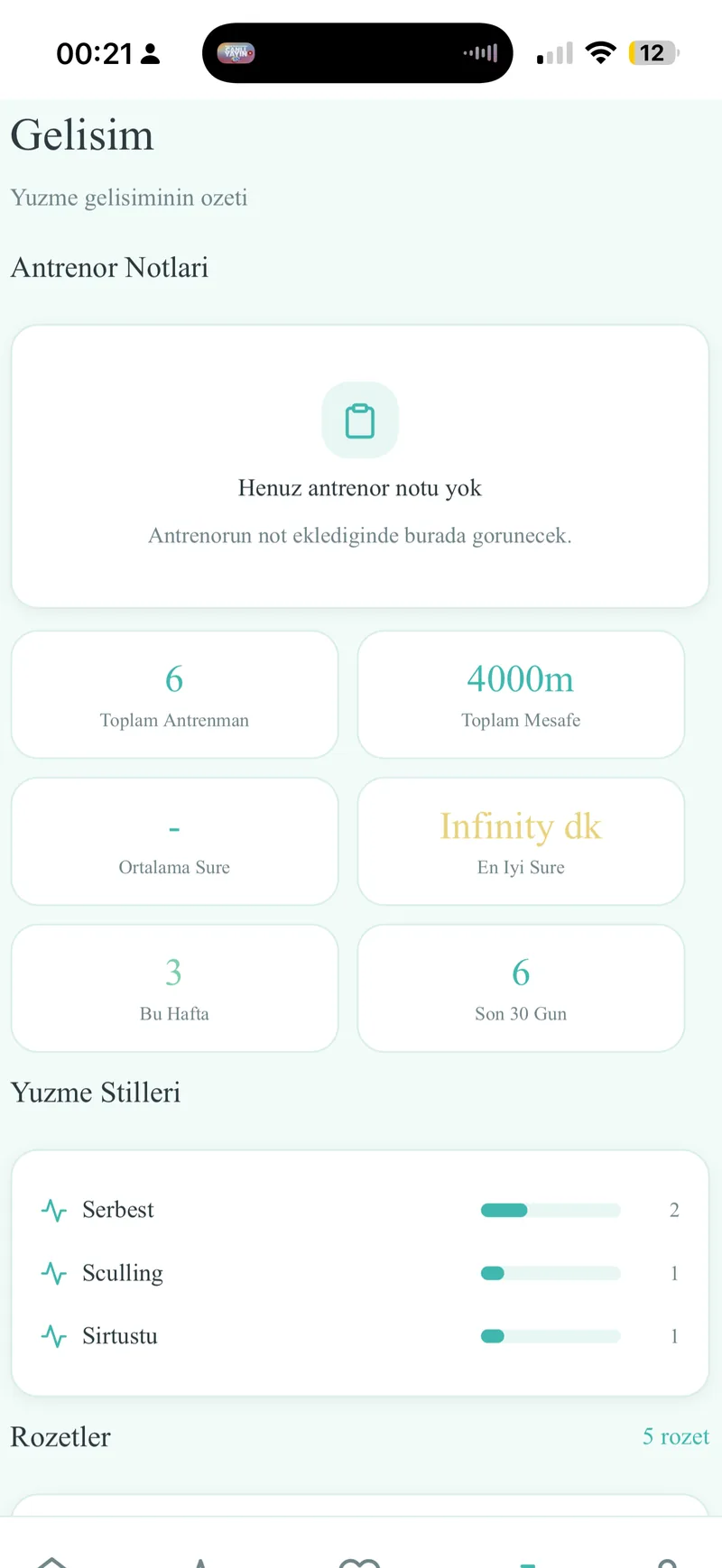
Progress Dashboard
Training data, swimming styles, and totals in one clean view.
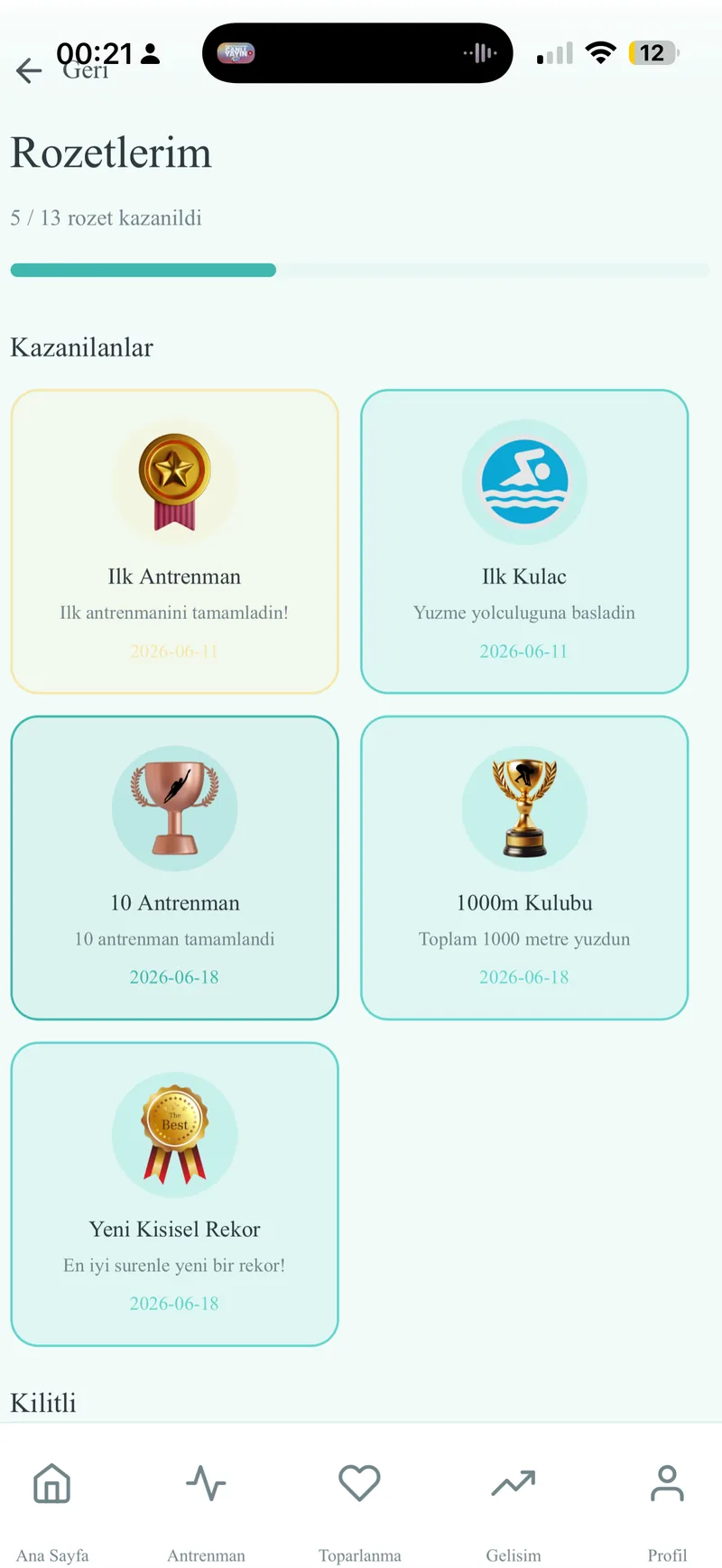
Achievement System
Badges turn repeated training into visible motivation.
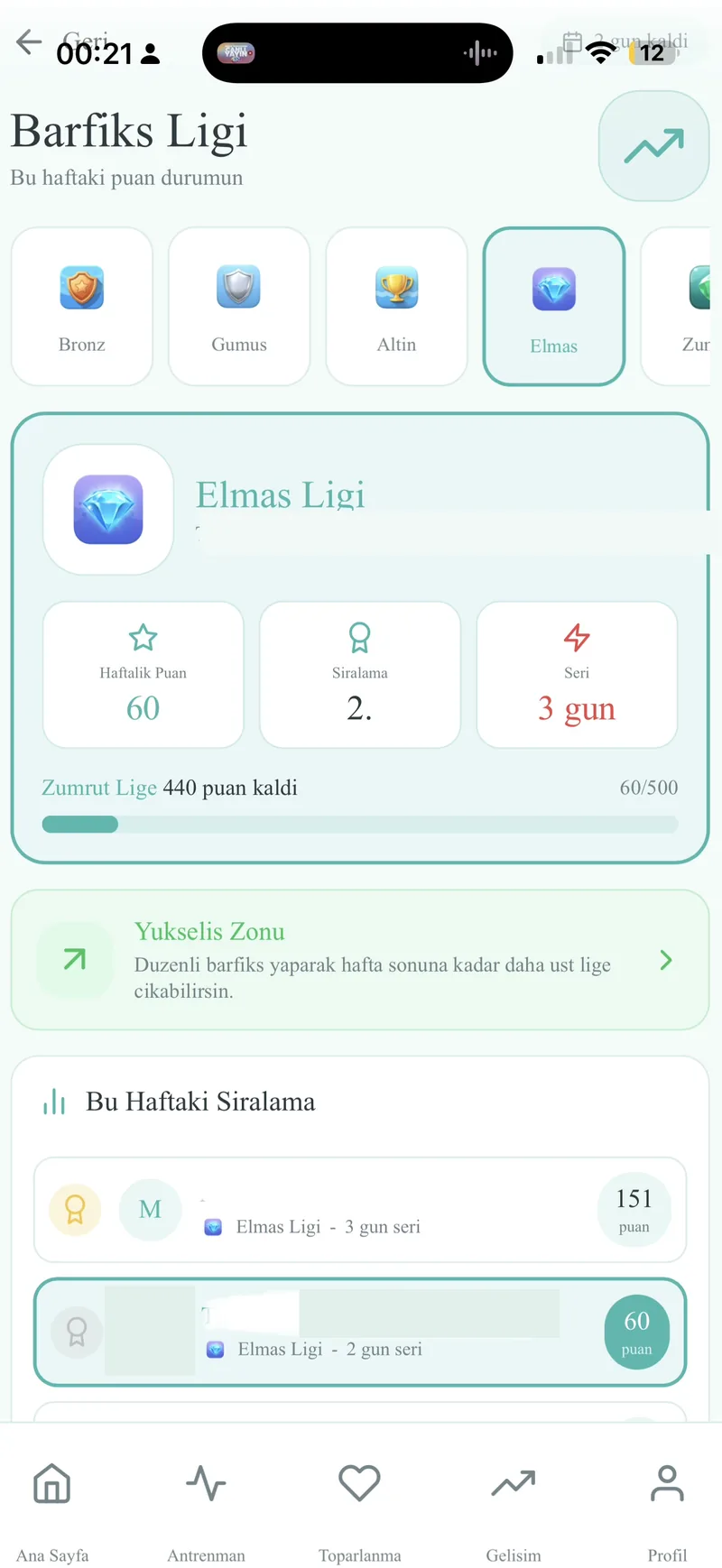
Weekly Streak League
Gamified consistency keeps swimmers engaged week to week.
The Technical SEO Decisions Behind the Build
Building MiniPeak Swim let me apply technical SEO thinking beyond a traditional website. Speed, structure, usability, and clean information architecture were part of the product from the start.
Core Web Vitals as a build constraint
Performance was a requirement, not an afterthought. Image loading, web-safe wrappers, and build decisions were planned around speed and usability.
Clean, indexable markup
The page follows a logical heading structure, descriptive copy, and clear internal links, rather than depending on screenshots alone.
Structured data and metadata
The project page uses focused metadata, a clear project entity, and breadcrumb structured data to strengthen search context.
Retention built into the product
Badges, streaks, and progress views encourage repeated use, the same way a useful site earns stronger engagement.
The Engineering Problems I Solved
The most valuable part of this project was not building the interface. It was solving the problems that appeared during development, testing, and deployment.
Package conflicts
Resolved dependency issues and pinned unstable versions to restore a reliable build.
Web compatibility
Added web-safe handling for native-only features so the app works properly as a PWA.
Build separation
Configured web-specific behaviour to keep unnecessary native modules out of the browser.
Deployment
Prepared the web build for live use, with Firebase powering real-time data and role-based access.
MiniPeak Swim is more than a portfolio project.
It shows how I approach digital work: identify a real problem, understand the users, structure the information clearly, and build a practical solution.
For me, technical SEO is not only audits and recommendations. It is understanding how sites and web apps are built, how people move through them, and how performance and structure affect visibility.
For organic growth, explore my freelance SEO services. For paid visibility, see my Google Ads specialist work.
Have a project that needs both?
Search strategy grounded in implementation, from crawl budget to build pipeline.